Definition and Purpose
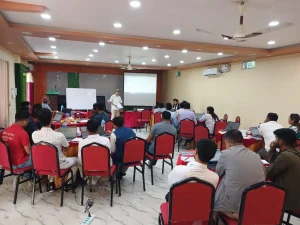
Facilitation actively guides groups through collaborative processes to achieve shared goals, resolve conflicts, or make informed decisions. In sustainable development, Ganesh Rawat organizes workshops, stakeholder consultations, and community engagements to foster inclusive dialogue. He ensures diverse voices, including those of marginalized groups, shape education and sustainability initiatives. By creating structured yet participatory environments, facilitation aligns stakeholders with Nepal’s sustainable development goals, promoting effective communication and actionable outcomes for community-driven projects.

Importance in Nepal’s Context
In Nepal, facilitation is crucial for uniting diverse stakeholders, including NGOs, government bodies, and local communities, to address challenges like education access and environmental sustainability. Programs like the SASEC trade facilitation initiative highlight the need for coordinated stakeholder engagement. Ganesh Rawat’s facilitation bridges gaps between rural communities and policymakers, ensuring inclusive decision-making. This approach empowers groups like women’s self-help groups (SHGs) and disability advocates, fostering solutions tailored to local needs and strengthening Nepal’s progress toward equitable and sustainable development.
Ganesh Rawat’s Contributions
Ganesh Rawat actively facilitates transformative initiatives across Nepal. He leads community workshops to align education projects with local needs, ensuring access for marginalized groups. Rawat organizes stakeholder consultations for sustainable projects, such as renewable energy adoption, fostering collaboration between communities and authorities. He supports women’s SHGs by facilitating discussions on economic empowerment, enabling collective planning for ventures like agriculture or handicrafts. Additionally, Rawat guides policy dialogues, ensuring inclusive education and sustainability frameworks reflect community priorities, drawing inspiration from Nepal’s participatory development models.
Impact and Future Potential
Rawat’s facilitation empowers communities by fostering collaboration and inclusivity. His efforts ensure equitable participation, driving impactful education and sustainability projects. By amplifying marginalized voices, he creates resilient, community-led solutions. Looking ahead, Rawat’s facilitation will continue to strengthen Nepal’s development landscape, supporting scalable initiatives in inclusive education, climate resilience, and economic empowerment, building a foundation for a sustainable, inclusive future.